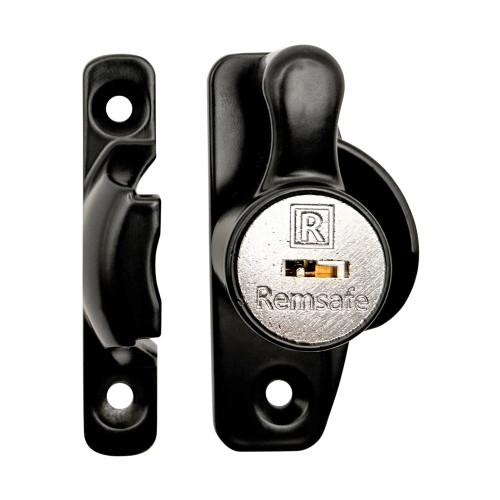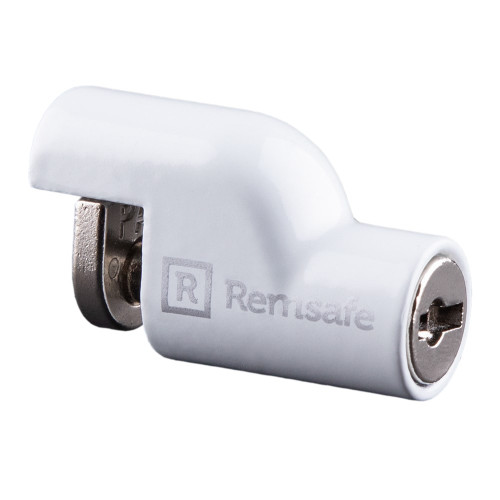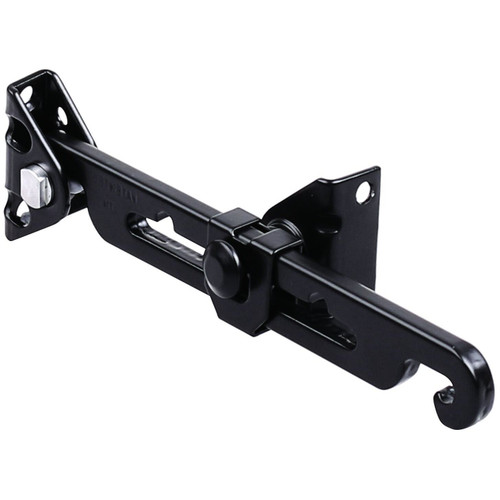

Interlock Securistay Timber Window Restrictor
The Interlock Securistay Timber is a window restrictor designed to provide controlled ventilation while limiting sash opening.
Suitable for projected top-hung and projected side-hung timber windows, the restrictor limits opening to 100 mm when engaged.
Full sash opening is only achieved once the restrictor arm is disengaged. This model is intended for use with T-type timber joinery.
This listing is for the restrictor assembly only. Hinges and window operators are not included.

20 Days
 Available Finish Options
 Black
Black
P348BLKLS White
White
P348W
Finish selection does not affect functionality, compliance, or performance.
 Key Features
- Restricts window opening to 100 mm when engaged.
- Suitable for projected top-hung and projected side-hung timber windows.
- Three notched at-rest positions for sash control.
- Stainless steel security sleeve locks arm to frame plate pin.
- Full sash opening available when restrictor arm is disengaged.
- Designed for T-type timber joinery.
- Manufactured in New Zealand.
- Supplied in trade packs of 20. Order in increments of 20.
 Specifications
 Frequently Asked Questions
Is this a hinge?
No. This is a window restrictor only. Hinges must be supplied separately.
Can the window fully open?
Yes. Full opening is available once the restrictor arm is disengaged.
Does this suit aluminium windows?
No. This model is designed specifically for timber joinery.
Does this meet Australian building code requirements?
Compliance with specific Australian standards is not stated in the manufacturer documentation. Confirm project requirements before specification.
 Additional Information
- Designed for safer ventilation in multi-storey residential settings.
- Confirm sash configuration and joinery type before ordering.
- Must be ordered in increments of 20 units.
- No fire rating stated in manufacturer documentation.

ASSA ABLOY Warranty Overview
ASSA ABLOY branded products sold in Australia are covered by manufacturer warranties issued by ASSA ABLOY Australia Pty Ltd. Warranty coverage varies depending on mechanical components, electronic components, cylinders and finish categories.
This overview summarises the structure of ASSA ABLOY warranty coverage. Full terms, exclusions and claim procedures are set out in the official ASSA ABLOY Warranty document.
Warranty Periods Summary
Finish & Material Notes
- Stainless steel does not mean stain-free. Tea staining is not covered where cleaning and maintenance guidelines have not been followed.
- Cosmetic, decorative and appearance damage is not covered.
- Battery failure or battery leakage damage is not covered.
 What the Warranty Covers
- Defects in material and workmanship within the applicable period.
- Assessment by ASSA ABLOY to determine repair, replacement with the same or closest equivalent product, or refund of purchase price.
- Remedy determined at ASSA ABLOY’s discretion.
 Common Exclusions
- Normal wear and tear.
- Misuse, abuse or installation outside published technical specifications.
- Improper maintenance or neglect.
- Unauthorised modification or repair.
- Use of non-genuine ASSA ABLOY parts or substitute components.
- Exposure to corrosive environments including coastal air, salt spray, chemicals, contamination or high humidity.
- Removal, refitment, freight or labour charges.
- Second-hand or imported products not sold through authorised Australian channels.
 Warranty Claim Process
- Retain proof of original purchase.
- Return the product to the original authorised retailer where applicable.
- If claiming directly, obtain a case number before returning goods.
- Securely package returned goods and clearly reference the case number.
- Warranty assessment determines repair, replacement or refund.
 Australian Consumer Law
ASSA ABLOY warranties operate in addition to rights available under the Australian Consumer Law. Goods come with guarantees that cannot be excluded. Customers may be entitled to a replacement or refund for a major failure and compensation for reasonably foreseeable loss or damage.
Where a product fails to meet acceptable quality standards and the failure does not amount to a major failure, the customer is entitled to repair or replacement.
 Official Warranty Documents